
Keynote Speaker
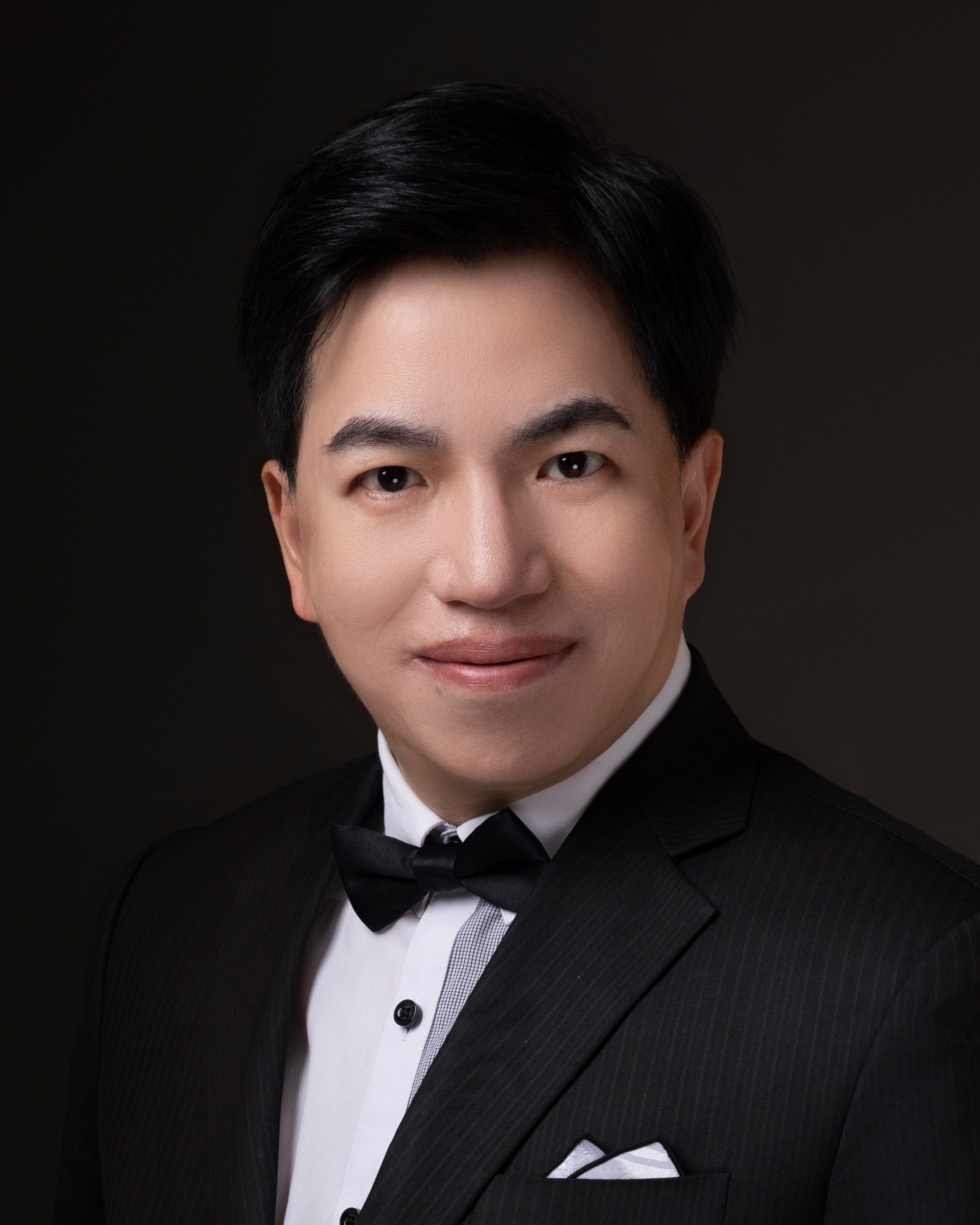
Dr. William C. CHO
Ph.D., RCMP, FHKIMLS, FHKSMDS, Chartered Scientist (UK), FIBMS(UK)Department of Clinical Oncology, Queen Elizabeth Hospital, Hong Kong SAR, China
Speech Title: Translational Application of Cancer Biomarkers and Beyond
Abstract: Translational cancer research continues to serve as the essential bridge between laboratory discovery and aim for improvements in patient care. Yet, despite unprecedented technological advances, the path from identifying a promising biomarker to using it in the clinic remains difficult. Tumor heterogeneity, the emergence of therapeutic resistance, and the great complexity of integrating data from genomic, transcriptomic, proteomic, and epigenetic platforms all work together to slow progress.
Genomic and proteomic profiling, alongside molecular diagnostics, have become essential tools for classifying cancer subtypes and forecasting how individual patients will respond to specific therapies. Among these tools, liquid biopsies, especially the detection and quantification of circulating tumor DNA and other blood-based analytes, offer a promising avenue for non‑invasive early detection and for tracking treatment responses. They also provide a dynamic window into developing resistance mechanisms, information that fixed tissue biopsies cannot easily capture. Nevertheless, the reality is that most biomarkers that show initial promise in the research setting may not reach routine clinical use. That high rate of failure demands a paradigm shift. Incorporation of artificial intelligence and machine learning approaches may pave a new avenue, which can combine multi‑omics layers into more robust predictive models.
Beyond these more conventional diagnostic and prognostic applications, this presentation will also move into therapeutic territory. Drug repurposing, has gained renewed attention as a strategy to get around resistance without the extremely high costs of de novo drug development. What connects all these different ideas is a recognition that the translational gap cannot be closed by better technology alone. It also requires broader conceptual frameworks, interdisciplinary collaboration, and a willingness to explore unconventional combinations, both in the laboratory and at the bedside.
Biography: Dr. William Cho is a leading researcher in the Department of Clinical Oncology at Queen Elizabeth Hospital, Hong Kong. With a career dedicated to translational cancer research, he focuses on discovering critical biomarkers to advance cancer diagnosis, predict treatment response, and improve patient prognosis.
His prolific body of work includes over 700 SCI peer-reviewed papers, including Lancet, Lancet Oncology, Annals of Oncology, Advanced Science, Journal of Thoracic Oncology, Nature Communications, Cancer Communications, PNAS, Science Advances, Journal of the National Cancer Institute, Journal of Extracellular Vesicles, Clinical Cancer Research, Molecular Cancer, and Theranostics, among others. His research explores the frontiers of oncology, including proteomics, non-coding RNAs, extracellular vesicles, drug repurposing, and Chinese medicine.
Additionally, Dr Cho has crafted over three dozen books, including "MicroRNAs in Cancer Translational Research", "An Omics Perspective on Cancer Research", "Drug Repurposing in Cancer Therapy: Approaches and Applications", “Resistance to Anti-CD20 Antibodies and Approaches for Their Reversal”, and “Biochemical and Molecular Pharmacology in Drug Discovery” to name a few.
Dr. Cho’s influence is underscored by over 38,000 citations and an H-index above 108. In recognition of his outstanding impact, he has been named a Highly Cited Researcher by Clarivate for 2023 and 2024 and has been consecutively listed among the top 2% of the world's most influential scientists since 2017.